
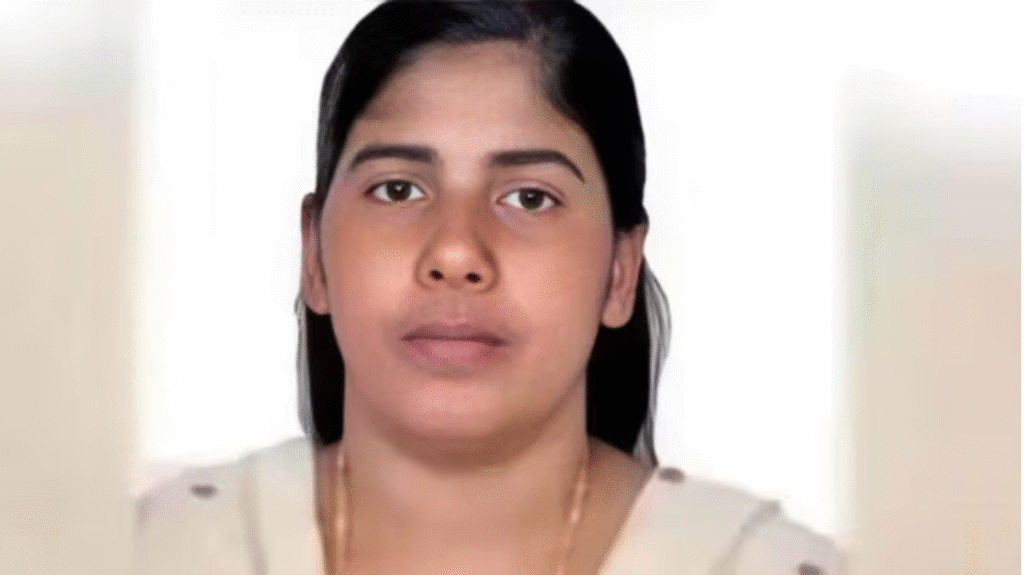
Nurse Nimisha Priya, a 37-year-old Malayali healthcare worker from Kerala, continues to fight for her life as she awaits execution in Yemen on July 16, 2025. Convicted of murdering her business partner in 2020, her case has drawn intense public attention and diplomatic mobilization from India amidst mounting international concern.
⚖️ Background: How She Ended Up on Death Row
- Nimisha moved to Sana’a, Yemen in 2008 to work as a nurse and later co-founded Al Aman Medical Clinic with a Yemeni partner, Talal Abdo Mahdi, under local business regulations.
- After allegations of passport confiscation, forgery, harassment, and abuse by Mahdi, Nimisha administered sedatives in mid-2017 to retrieve her documents. Tragically, Mahdi succumbed, and Nimisha Priya was arrested while fleeing.
- Following a trial conducted in Arabic, she was convicted of murder in 2018 and sentenced to death. Appeals were rejected by Yemen’s judiciary in 2023.
🗓️ Execution Date & Current Status
- Nimisha Priya was officially informed of her execution date as July 16, 2025, a message relayed via WhatsApp from Sana’a Central Prison.
- India has no official diplomatic presence in Houthi‑controlled Sana’a, complicating direct consular engagement. The Ministry of External Affairs (MEA) is coordinating through the Indian Embassy in Saudi Arabia.
🧡 The Diplomacy & Humanitarian Appeals Intensify
Political leaders and activists across party lines have urgently appealed to the Indian government:
- K. C. Venugopal (Congress) wrote to Prime Minister Modi on July 12, requesting his “highest priority” intervention, highlighting Nimisha’s ordeal and her status as a domestic abuse survivor.
- MP K. Radhakrishnan (CPM) sent a parallel appeal, emphasizing the emotional trauma Nimisha endured and calling for her pardon or release.
- CPI Rajya Sabha MP Sandosh Kumar urged the External Affairs Minister to explore all diplomatic channels amid Yemen’s fragile political situation.
- On July 10, the Supreme Court of India accepted a plea to direct the government to expedite diplomatic efforts. A hearing is scheduled on July 14.
💵 Blood Money: Last Legal Hope for Clemency
- Under Yemeni Sharia law, the death sentence may be waived if the victim’s family pardons the accused in exchange for blood money (diya).
- Nimisha’s family has formally offered $1 million (approx. ₹8.6 crore) to Mahdi’s relatives—led by negotiator Samuel Jerome, operating from Sana’a—with no response yet.
- Activists underscore that only the victim’s family holds the power to forgive. If accepted, this could legally halt the execution process under Yemeni law.
👨👩👧 Family & Public Mobilization
- Nimisha’s husband, Tomy Thomas, remains in frequent contact with her via prison messaging, and has met with Kerala Governor Rajendra Arlekar, who assured support.
- Nimisha’s mother, Prema Kumari, travelled to Yemen and stays engaged with negotiations and public appeals.
Activist groups like the Save Nimisha Priya International Action Council have rallied global diaspora support to pressure authorities for urgent action.
🕊️ Why This Case Matters
- It raises critical citizen safety issues in conflict zones, especially for Indian nationals in politically unstable countries.
- It shines a light on legal fairness—her trial was conducted without interpreter support in Arabic, raising due process concerns.
- The case underscores the legal complexities when India lacks formal diplomatic access, especially in territories under non-recognized authorities.
- Emotionally, it has sparked widespread empathy across Kerala and beyond, with calls for humane intervention rather than a punitive outcome.
🔍 What Happens Next?
- On July 14, India’s Supreme Court will hear the petition urging the Centre to act decisively. Legal advocacy may influence diplomatic momentum.
- If the Yemeni victim’s family agrees to pardon, the death sentence could be commuted immediately through legal channels.
- If not, and unless diplomatic efforts effect a change with local authorities, Nimisha may face execution on July 16 as scheduled.
📌 Final Thoughts
Nimisha Priya’s case is a complex mesh of personal tragedy, legal ambiguity, and diplomatic urgency. With time running out, India’s ability to navigate foreign law, humanitarian pressure, and cross-border negotiation will determine her fate. The outcome may set a precedent for how expatriates in similarly precarious legal situations are protected—or left behind.
To read more Indian Laws and news, visit Legal Guide India

