Delhi Traffic Police and Road Safety in Focus
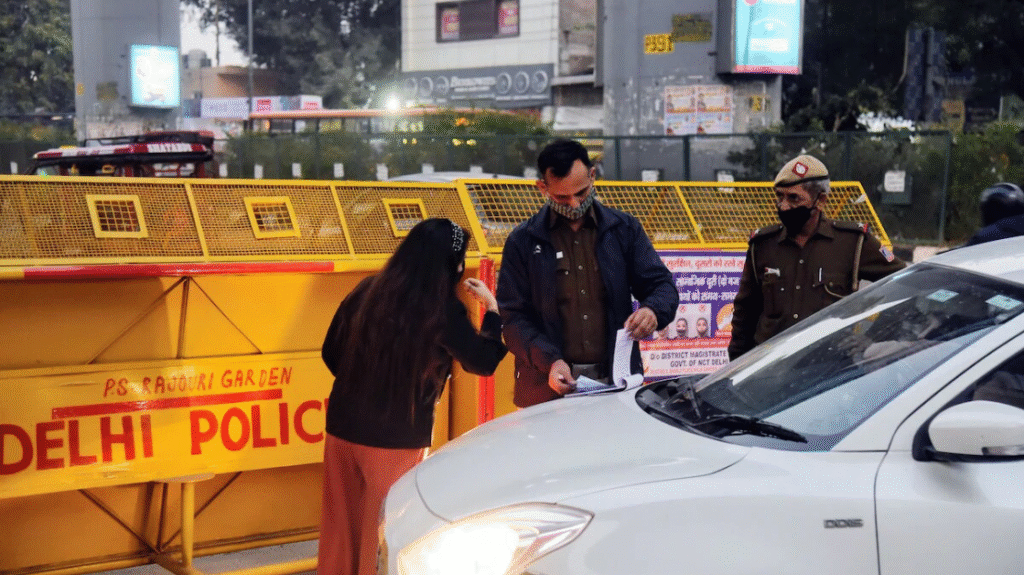
The Delhi Traffic Police has been at the center of attention in recent months due to a surge in traffic violations, new enforcement measures, and attempts to reduce pending challans through Lok Adalats. With over 1.2 crore registered vehicles in the capital, ensuring compliance with road safety laws remains one of the toughest challenges for the force. From digital challan systems to stricter action against repeat offenders, the department is steadily modernising its approach.
Lok Adalats to Settle Pending Challans
To ease the burden of millions of pending challans, the Delhi Traffic Police is working with Lok Adalats to provide citizens with a fair settlement opportunity. On September 13, a Lok Adalat is scheduled to hear a large number of traffic challan cases, but with restrictions in place.
Each day, only 500 tokens are being issued for case listings, and citizens are required to download tokens from the traffic police website. Importantly, not all violations are eligible for Lok Adalat settlement. Serious offences such as drunken driving, red light jumping, and dangerous driving will continue to be heard in regular courts.
This system has been welcomed by many Delhiites who struggle to pay hefty fines or clear backlogs. At the same time, it ensures that dangerous road behaviours are not pardoned lightly.
Surge in Challans for Insurance and License Violations
Official data reveals a sharp increase in challans related to lack of insurance and driving without valid licenses. In 2024, insurance-related challans rose by 203% compared to the previous year. Similarly, a significant spike has been seen in vehicles plying without valid Pollution Under Control Certificates (PUCC).
Over-speeding also continues to be a major concern. The Delhi Traffic Police reports that speed violations remain one of the leading causes of road accidents, pushing the department to deploy more speed radars and surveillance cameras at accident-prone stretches.
Crackdown on Illegal Parking and Fancy Number Plates
Illegal parking remains one of the biggest contributors to Delhi’s traffic congestion. Data shows that parking challans have almost doubled in the last year. The police have intensified their crackdown, particularly around markets, metro stations, and busy intersections where vehicles block movement.
At the same time, more than 27,000 vehicles have been booked for illegal number plates, including the use of fancy fonts and stickers. Authorities have warned that such violations not only breach the law but also make it difficult to trace vehicles involved in crimes.
Rising Violations by Heavy Vehicles
Heavy vehicles, especially trucks, continue to be responsible for a large number of serious accidents in the city. Reports indicate a 46% surge in violations by heavy vehicles. In July alone, 82 people lost their lives in fatal accidents, many of which involved trucks entering restricted zones or speeding on highways.
To address this, the Delhi Traffic Police is working on stricter checks, including the enforcement of speed governors, random checks for intoxicated driving among truck drivers, and surprise night inspections at city entry points.
Need for More Manpower and Better Resources
Despite these efforts, senior officials admit that manpower shortage is a constant obstacle. Delhi Police Commissioner recently requested the deployment of 1,000 additional traffic personnel to improve enforcement. Parking demarcation and traffic signal automation are also part of the proposed reforms.
Experts argue that a city with such a high vehicle density requires not just manpower but also sustained awareness campaigns. Citizens, too, must share the responsibility by following traffic rules and ensuring compliance with documentation such as insurance and PUCC.
Digital Tools and Public Engagement
The adoption of technology has been one of the biggest reforms by the Delhi Traffic Police. The e-challan system has not only made the process transparent but also reduced corruption at ground level. Citizens can now check and pay challans online through official portals.
Recent experiments include QR codes for challan payments at Lok Adalats and the possibility of evening courts to settle pending traffic cases. These initiatives aim to improve convenience for citizens while also reducing the mounting backlog of cases in Delhi courts.
Conclusion
The Delhi Traffic Police finds itself balancing between stricter enforcement and citizen-friendly reforms. While heavy fines, insurance checks, and parking crackdowns show the department’s resolve, initiatives like Lok Adalats and digital challan payments highlight a more collaborative approach.
With traffic violations on the rise, the real solution lies in a combined effort between the police and the public. Delhiites must recognise that compliance with traffic laws is not only about avoiding fines but also about ensuring road safety for millions.
The coming months will reveal how effectively the Delhi Traffic Police can integrate stricter enforcement with long-term reforms, and whether citizens respond with greater awareness and responsibility.
To read more Indian Laws and news, visit Legal Guide India